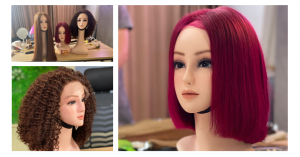
Both human hair wigs and synthetic wigs each have advantages and disadvantages. Human hair wigs offer a more natural appearance but come with a higher price tag. On the other hand, synthetic wigs are more affordable but may not offer as much styling flexibility. Understanding these differences makes it easier to find the perfect wig that fits your budget, styling needs, and other important factors.
Main Contents
Advantages of Human Hair Wigs
Human hair used for making wigs is typically sourced from regions like Asia, India, Eastern Europe, and South America. Manufacturers carefully sort the hair by length, removing any damaged strands that don’t meet their standards, and then tie the hair into bundles sorted by length. These bundles of hair of the same length are grouped together to create larger bundles, which are then ready to be sewn into wigs or hairpieces. This type of hair is often referred to as ‘Virgin Hair’, as it is in its natural state with no dyes or chemicals.
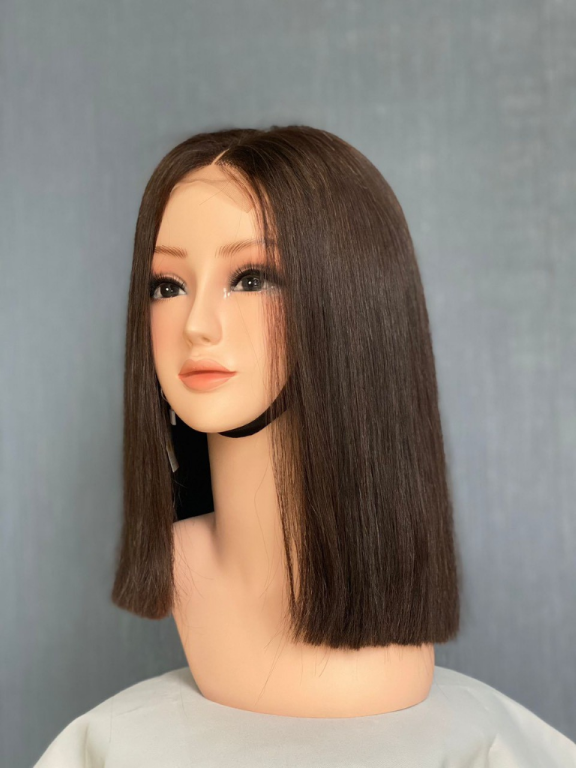
The process of making Human Hair Wigs
For creating solid colored wigs, the hair undergoes a process where all pigmentation is stripped away to remove any previous dyes or color tones. The hair is then dyed to achieve a uniform color. At this stage, the wig can also be styled according to the preferences of the wearer, whether they prefer a single solid color or wish to add highlights for a more personalized look.
Can Human Hair Wigs Be Colored or Customized?
Human hair wigs offer the flexibility to be dyed, personalized, and styled to your desired look. They can withstand heat styling without any issues, which enhances their versatility for achieving various hairstyles. Proper maintenance is crucial to ensure your human hair wig remains in good condition over time.
Choosing the Ideal Synthetic Wig
Synthetic wigs are a popular choice, crafted with advanced wig technology that can closely mimic real human hair, often mistaken for the real thing. One of their standout advantages is their ability to retain their style for extended periods and require less upkeep compared to human hair wigs. This makes them highly favored by wig wearers who lead busy lives or prefer a low-maintenance hair routine. If you seek a wig that stays vibrant in all weather conditions and is easy to care for, a synthetic wig could be the perfect option for you.
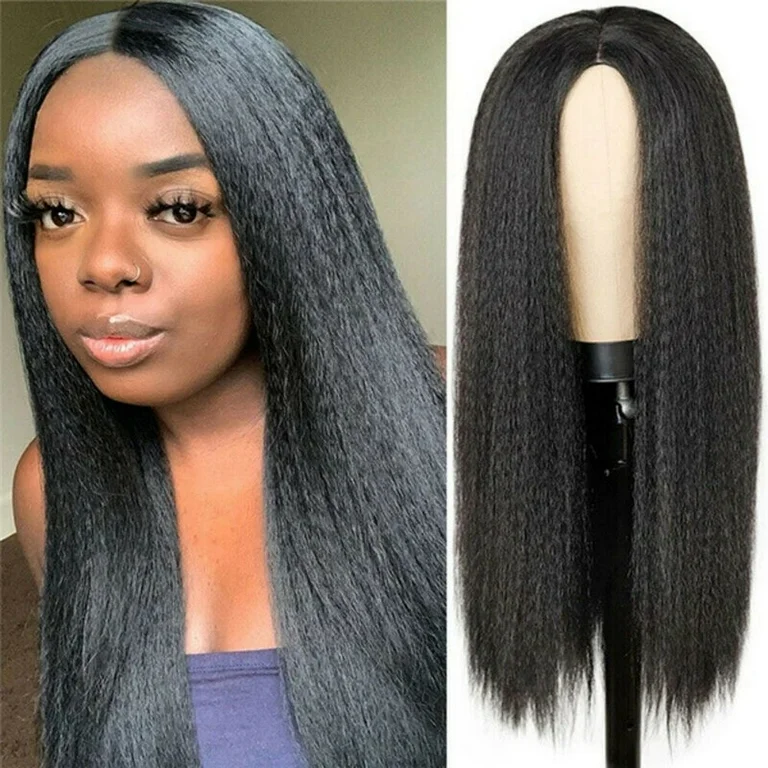
The production process of Synthetic Wigs
Synthetic wigs are created using synthetic fibers, typically composed of man-made polymers like acrylic, silk, acrylonitrile, silicone, PVC, vinyl, and occasionally natural polymers or cellulose depending on the specific wig. These fibers are heated to a specific temperature and formed into strands that mimic the appearance of real human hair. The strands are then woven together to construct the wig or hairpiece in various styles as per the wig’s design.
Synthetic wigs offer less versatility compared to human hair wigs, but with proper care and maintenance, they can still be styled to your preferred look. These wigs can be washed and shaped using specialized products for synthetic fibers, and they can even be trimmed to achieve your desired style. Adding headscarves or headwear can also enhance their appearance by adding color and brightness around your face.
Can Synthetic Wigs Be Colored or Customized?
It’s important to avoid heat styling synthetic wigs as it can damage the fibers, potentially causing them to melt or burn. However, advancements in wig technology have led to some synthetic wigs that can withstand higher temperatures with extra care.